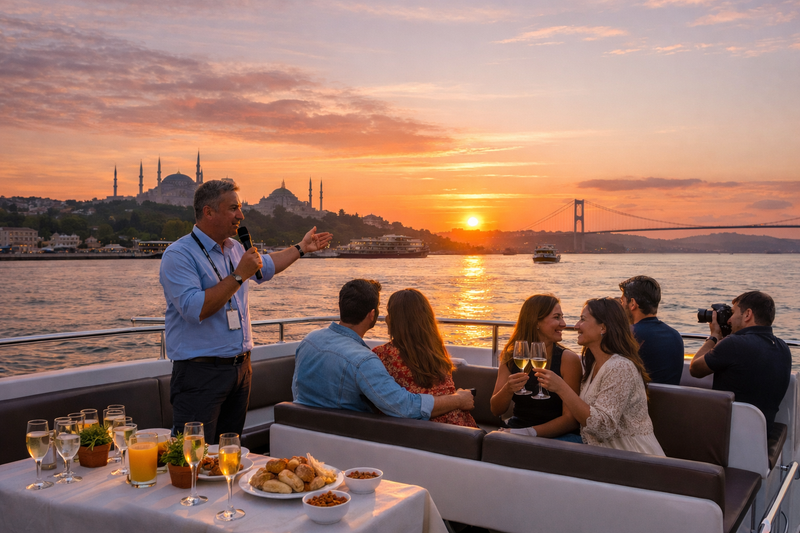
Sunset Cruise on the Bosphorus
€70.00


From Istanbul's two-continent skyline to Bursa, the first Ottoman capital, and on to Troy, Gallipoli and Edirne, the Marmara Region packs history, sea and forest into short distances.
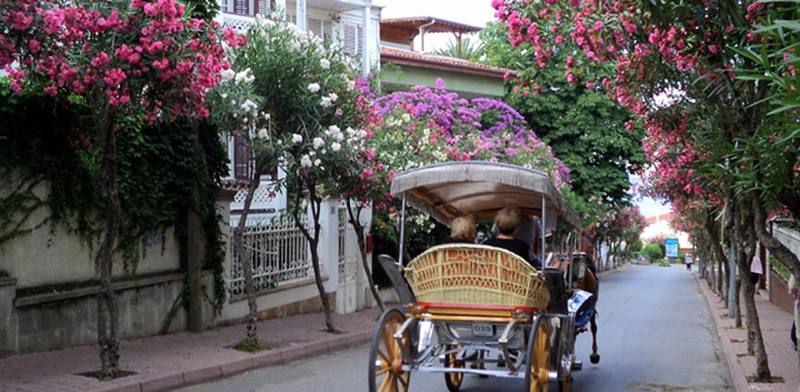
See ToursWrapped around the inland Sea of Marmara and straddling Europe and Asia, this is Türkiye's most populous and busiest region. Its UNESCO World Heritage Sites include the historic areas of Istanbul, Bursa with the village of Cumalıkızık, the Selimiye Mosque in Edirne and the archaeological site of Troy. On either shore of the Dardanelles, the story runs from Homer's Trojan War to the Gallipoli campaign. Beyond the history, there are ski slopes on Uludağ, the lake and forests of Sapanca and Maşukiye, the beaches of Şile and Ağva, and the car-free lanes of the Princes' Islands.
Popular tours here include Istanbul city tours and Bosphorus cruises, trips to Bursa and Uludağ, Troy and Gallipoli tours from Çanakkale, and cultural outings to Edirne. Sapanca and Maşukiye, Şile and Ağva and the Princes' Islands are easy nature escapes from Istanbul. Because distances are short, many weekend itineraries combine two or three stops, while a week lets you loop right around the sea. You can compare these trips from local firms on TurTalebi and book them securely by card.
Tours run by local firms in the area. Pick a date, see the price and book securely by card.
Activities sold online by local providers; pay by card, the provider confirms.



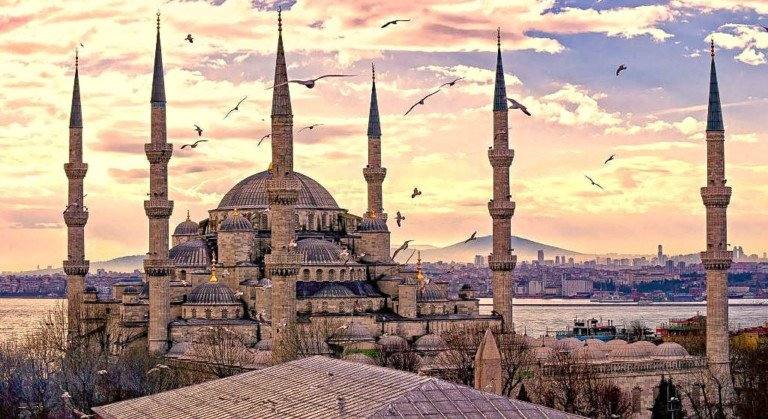
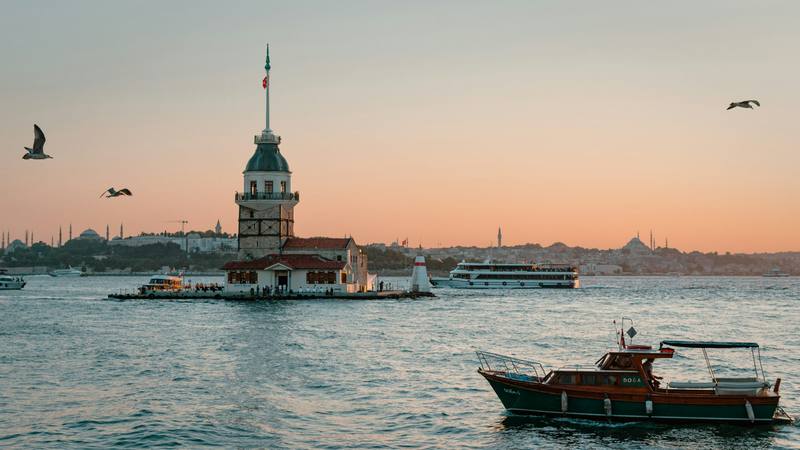
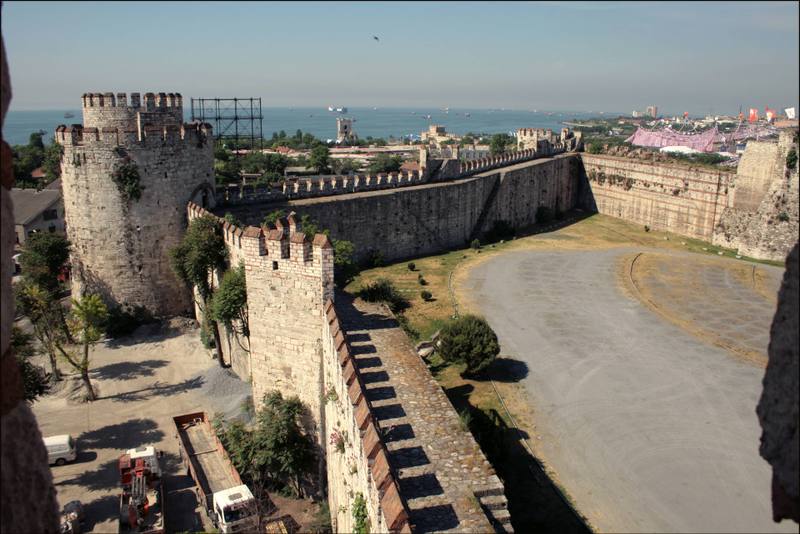
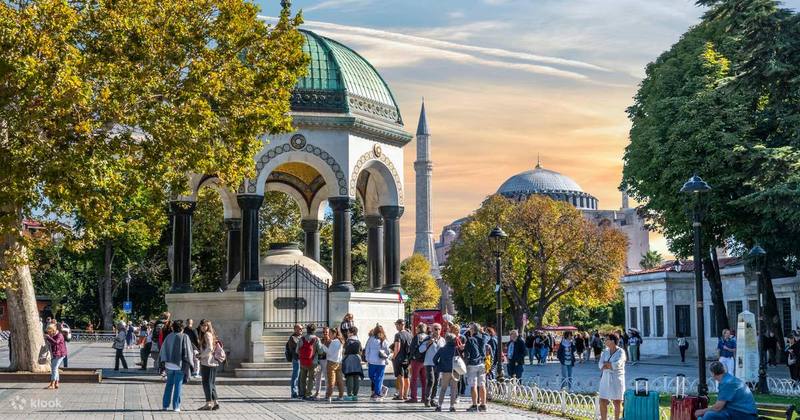
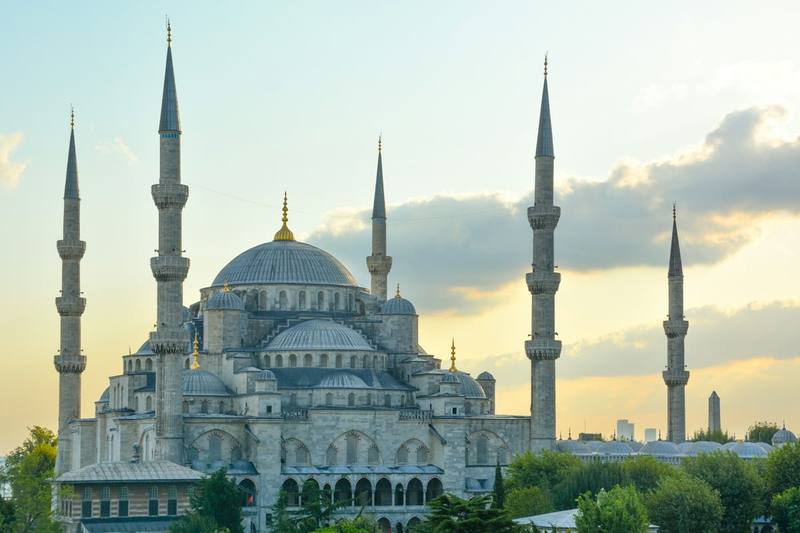
The historic peninsula with Hagia Sophia, Topkapı Palace and the Grand Bazaar, plus Bosphorus boat tours and ferry rides between continents, make Istanbul the start and finish of most Marmara routes.
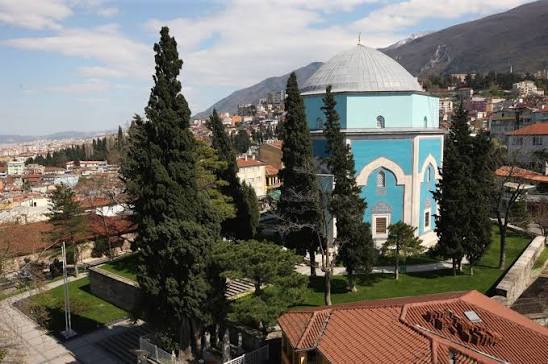
Bursa, the first Ottoman capital, offers the Grand Mosque, the Green Tomb and historic silk-trade inns, while a cable car climbs Uludağ for winter skiing or cool summer air.
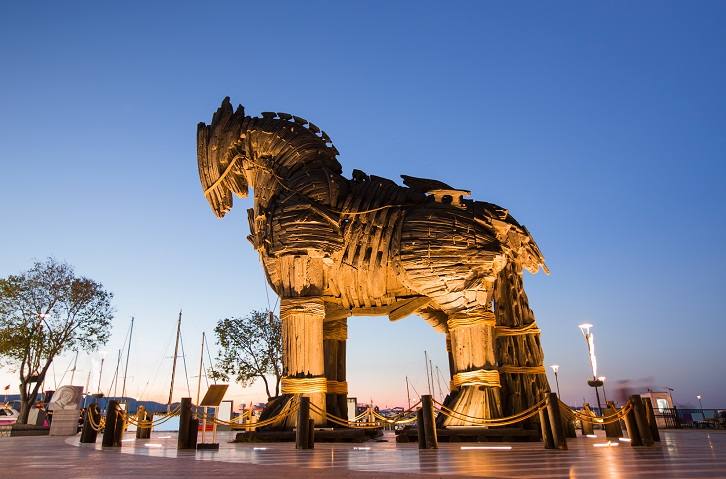
The layered ruins of legendary Troy and the nearby Troy Museum are a short drive from Çanakkale, whose waterfront promenade is lovely for an evening stroll along the Dardanelles.
Memorials, cemeteries and trenches from the Gallipoli campaign are spread across a protected historical area that is best explored with a guide. Anzac Cove and Chunuk Bair are among the key sites.
Considered Mimar Sinan's masterpiece, the UNESCO-listed Selimiye Mosque crowns Edirne, a city also known for its Ottoman bridges, the Ali Paşa Bazaar and pan-fried liver.
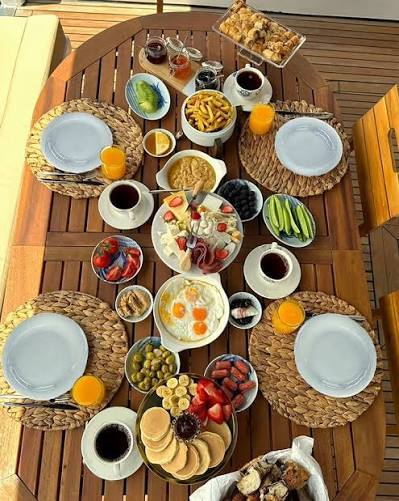
Close-to-Istanbul nature escapes: the shores of Lake Sapanca, Maşukiye's forested streams and Ağva, where two rivers meet the Black Sea, all known for cabins and long country breakfasts.
April to June and September to October are the most pleasant months, with mild weather for walking and sightseeing; Istanbul's tulips bloom in April and the Bosphorus glows in autumn light. July and August are hot and humid, and the islands and beach towns get crowded. Open-air sites like Gallipoli and Troy are far more comfortable in cooler months. Winter brings ski season on Uludağ, while city museums and culture tours take center stage.
Istanbul Airport and Sabiha Gökçen Airport are the main gateways, and highways, intercity buses and ferries link Istanbul with Bursa, Çanakkale and Edirne. A classic loop spends two or three days in Istanbul, takes the ferry or highway to Bursa and Uludağ, heads southwest to Çanakkale for Troy and Gallipoli, then crosses Thrace to Edirne before returning to Istanbul. Allow about a week for a relaxed pace.